Seasonal writing, photos, and practical notes from a Northern
New England garden.
Recent Articles
From the Photo Journal
Select a photo journal entry to view more.
Kingsbrae Garden in Saint Andrews, New Brunswick, offers 27 acres of formal gardens, colorful perennial borders, woodland trails, and playful surprises. A late summer visit provides plenty of inspiration for gardeners to bring home.
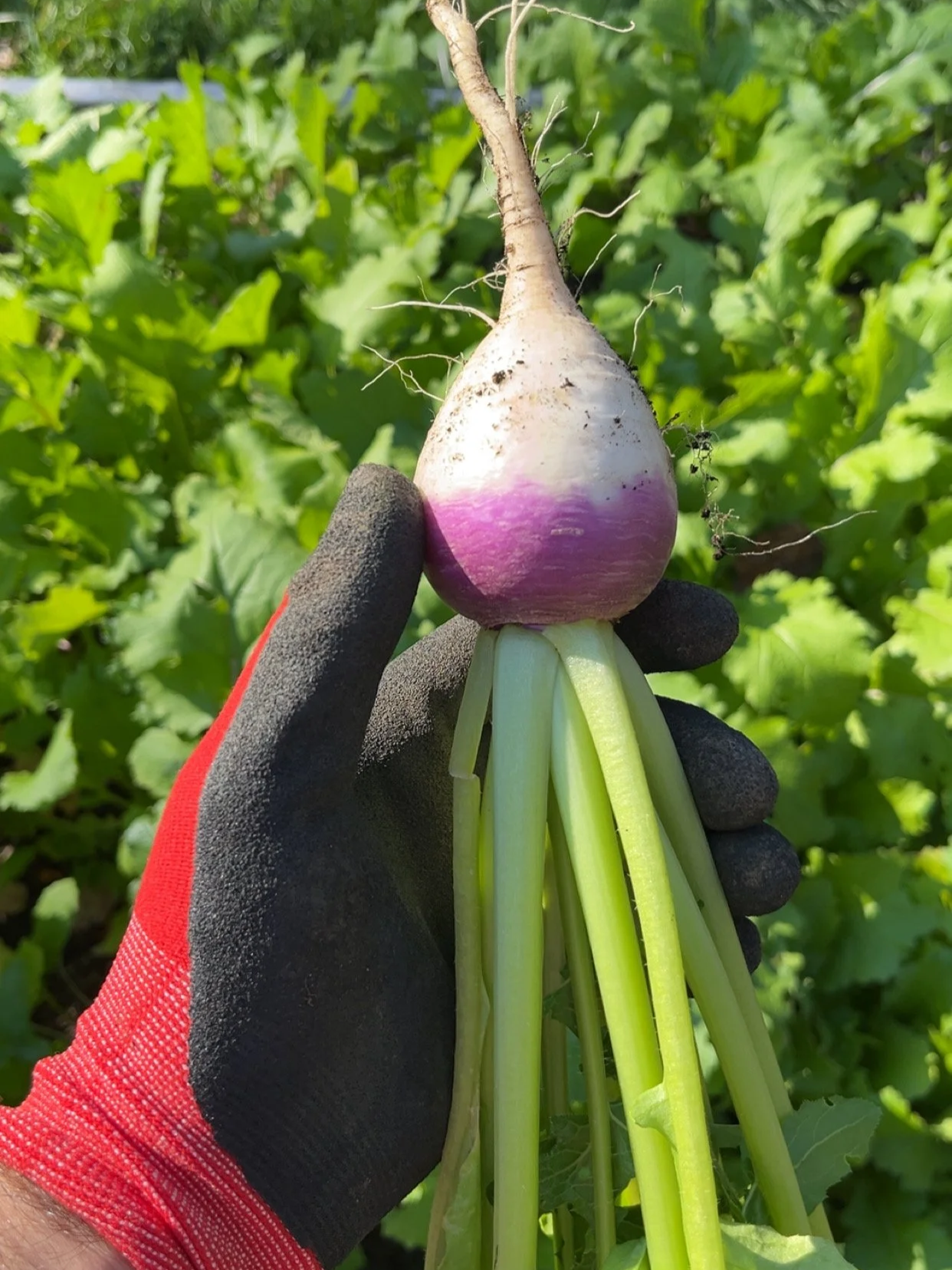
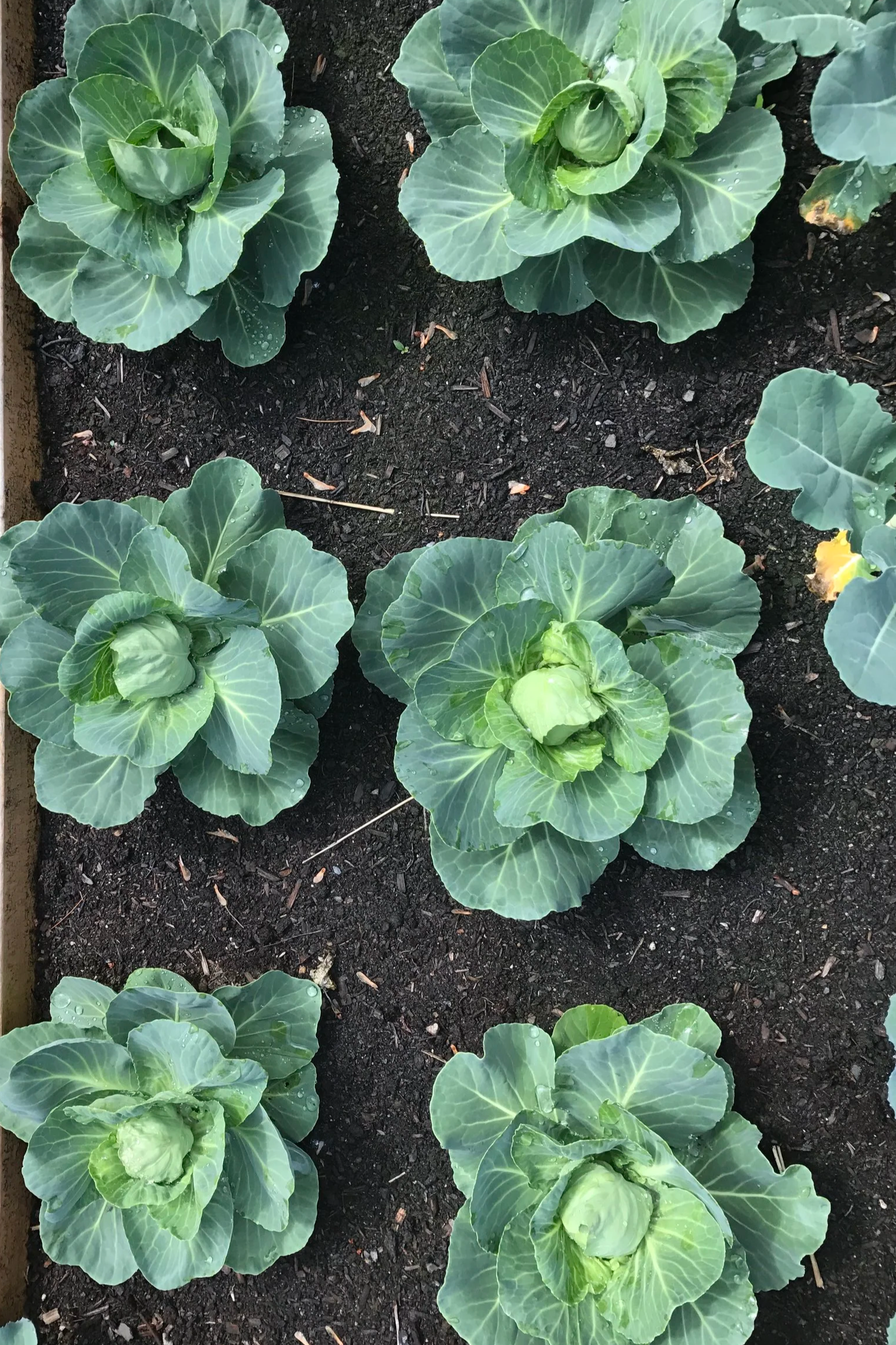
The vegetable garden may be winding down, there’s still time for one more harvest before the snow flies. With a little compost and a few quick growing, cold tolerant crops, newly vacant beds can enjoy a productive second act.
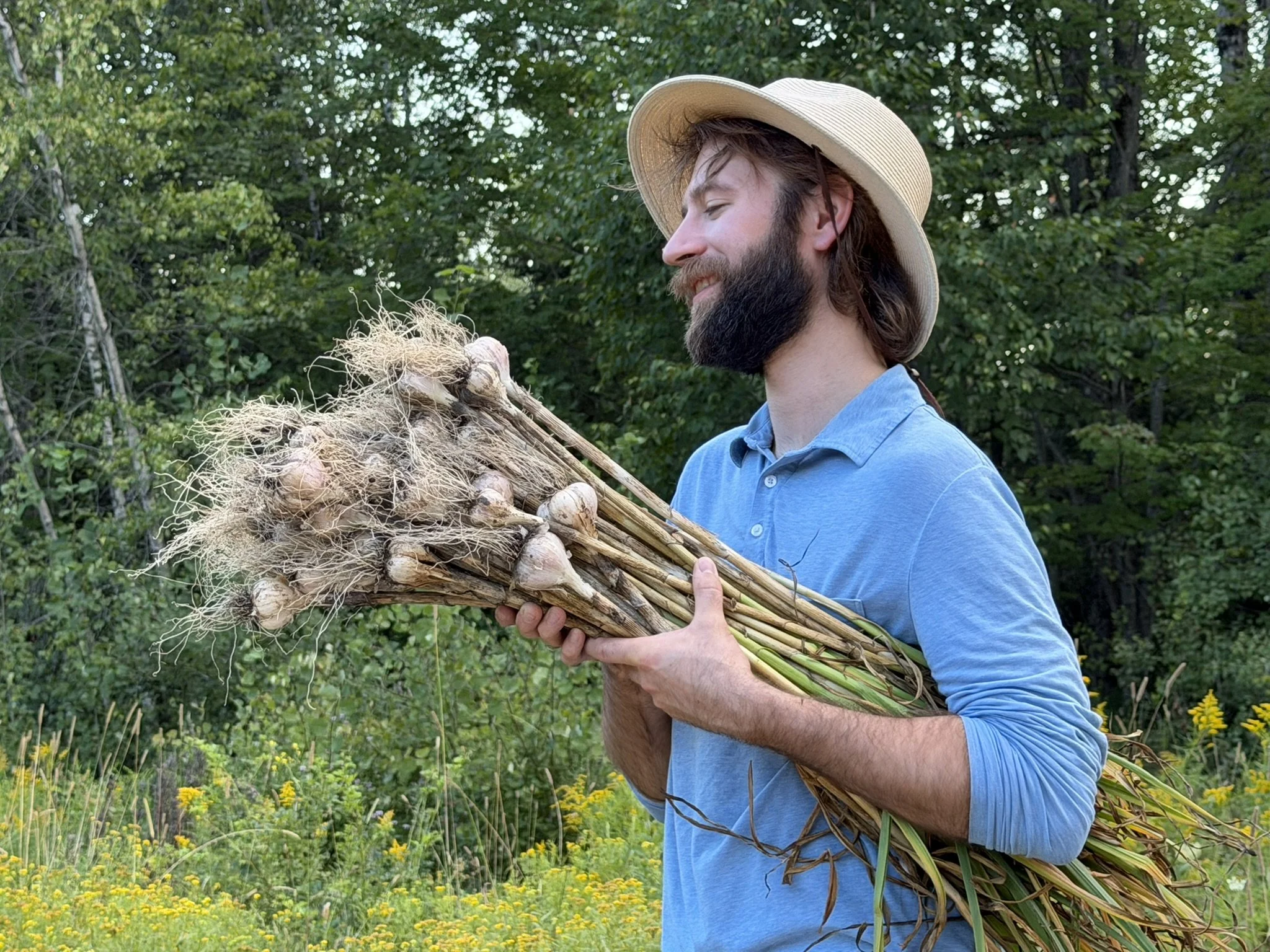
Each summer’s garlic harvest holds the beginnings of the next, creating a delicious cycle that can continue year after year. Follow along as I harvest, cure, and store our hardneck garlic, and select the best bulbs to plant again in the fall.
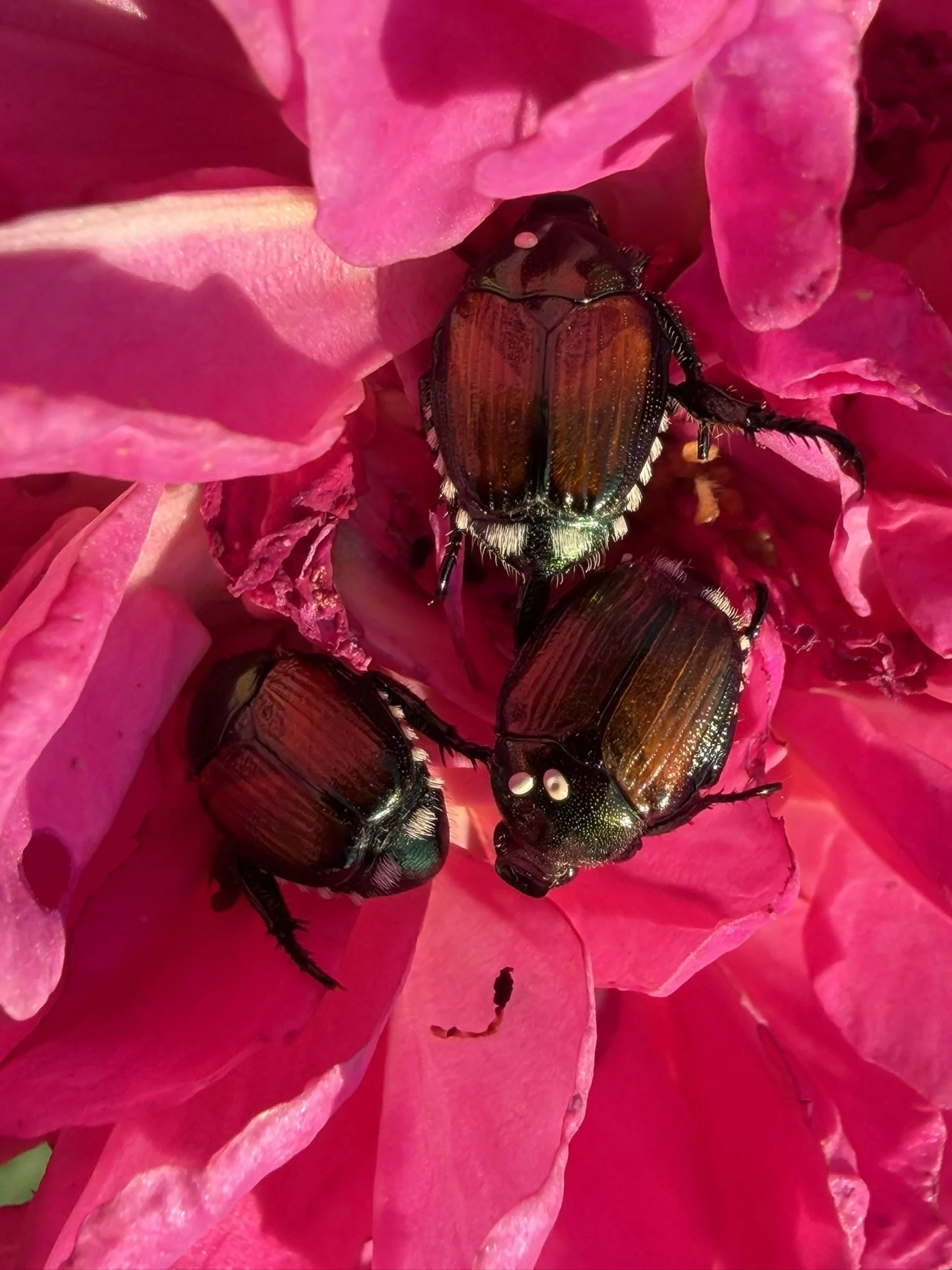
Japanese beetles are a scourge for many gardeners in New England. I discuss the Japanese beetles introduction to North America and some methods that I use to manage their numbers and reduce their destructive impacts on my garden.
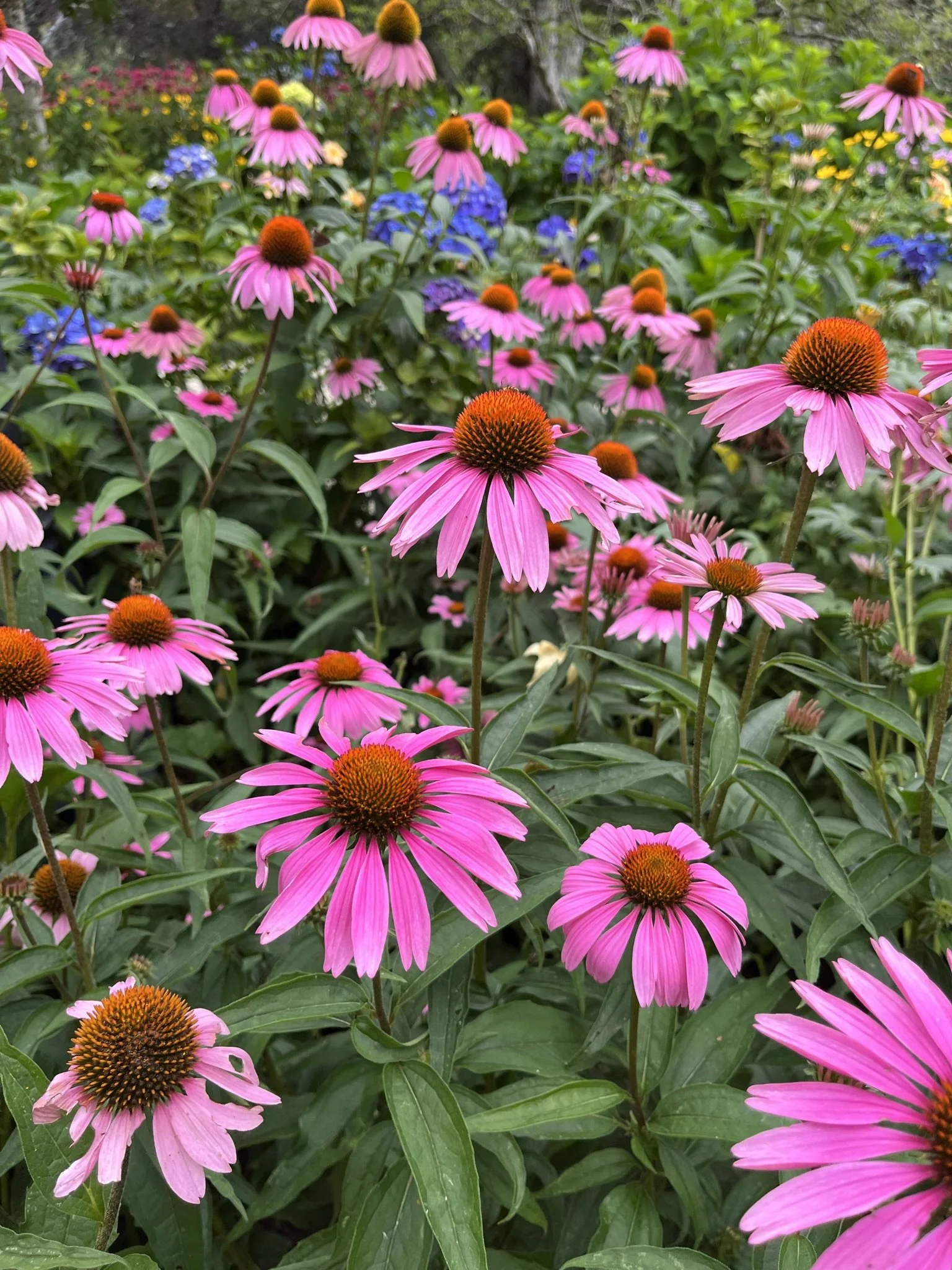
Kingsbrae covers 27 acres of gardens, wooded paths, and pens for goats, alpacas, peacocks and more. The gardens are well tended and includes sections for edibles, children gardens, striking ornamental beds, and great swaths of blooms buzzing with bumblebees. We visited in August, but there’s something in bloom throughout the growing season.
Kingsbrae is just a short walk up the hill from downtown Saint Andrews, New Brunswick - a seaside town on the Bay of Fundy.
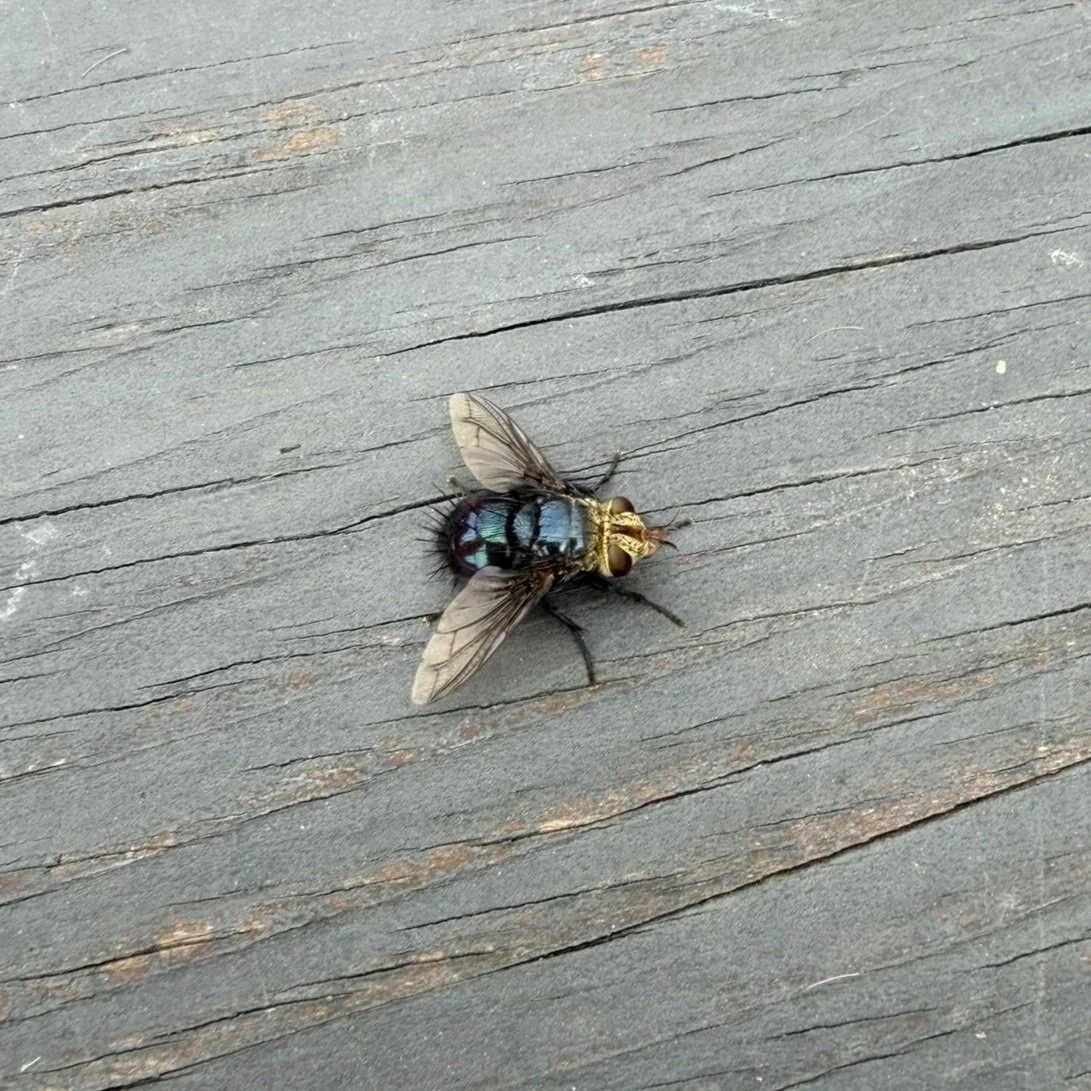
A metallic blue tachinid bristle fly rests in a Downeast Maine garden. These beneficial parasitoid flies help control caterpillars and other garden pests.
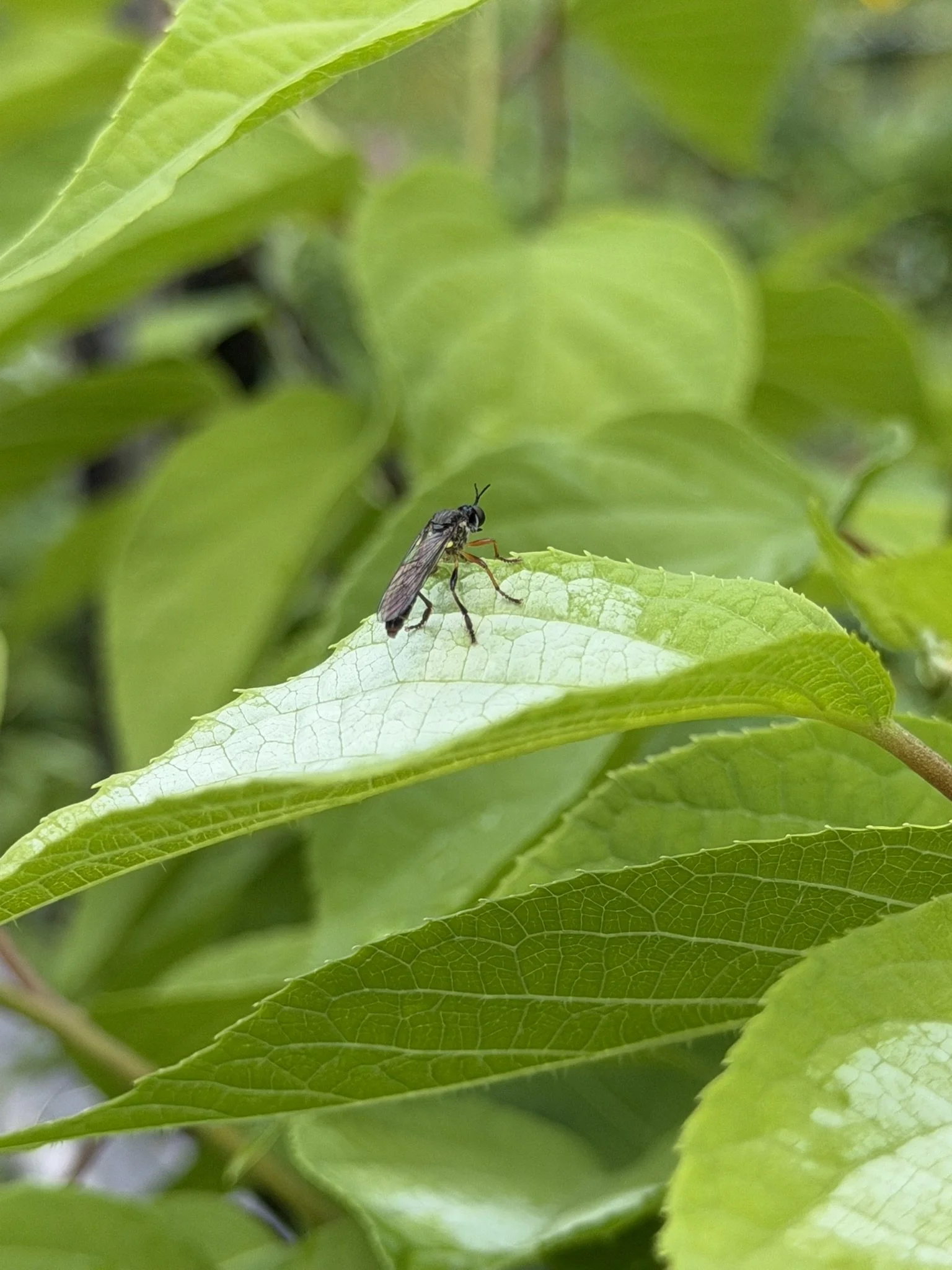
This robber fly is a voracious predator. At only half an inch long, it hunts flies, leaf hoppers, and other small prey.
Select a photo journal entry to view more.